Record of Bornean Bristlehead in a peat swamp–mangrove ecotone
in central Sarawak, Malaysian Borneo
Dixon Lau
Independent Citizen Scientist, Sarawak, Malaysian Borneo
Published: 31 March 2026
Introduction
The Bornean Bristlehead Pityriasis gymnocephala is an endemic species restricted to Borneo and is widely regarded as one of the region’s most distinctive yet elusive birds. It is typically associated with lowland dipterocarp and peat swamp forests, where it occurs in small groups and is often difficult to detect in the field (Phillipps & Phillipps 2014; Smythies 1999). The occurrence of Bornean Bristlehead in coastal ecotones, particularly freshwater swamp forests bordering mangroves, is poorly documented, despite these zones potentially offering additional foraging or roosting opportunities. Here, I report a confirmed observation of the species within a peat swamp–mangrove ecotone in central coastal Sarawak, Malaysian Borneo.
Study Site
The observation was made at a site in central coastal Sarawak, Malaysian Borneo, with the precise locality withheld to minimise disturbance. The area comprises a mosaic of three contiguous habitat types within an approximate 3 km radius:
- Peat swamp forest
- Transitional swamp forest
- Tidal mangrove forest
The transitional zone forms a gradient between inland peat swamp and tidally influenced mangrove forest, with noticeable changes in vegetation structure and composition across the site (Figure 1).
Figure 1. Habitat gradient at the study site:
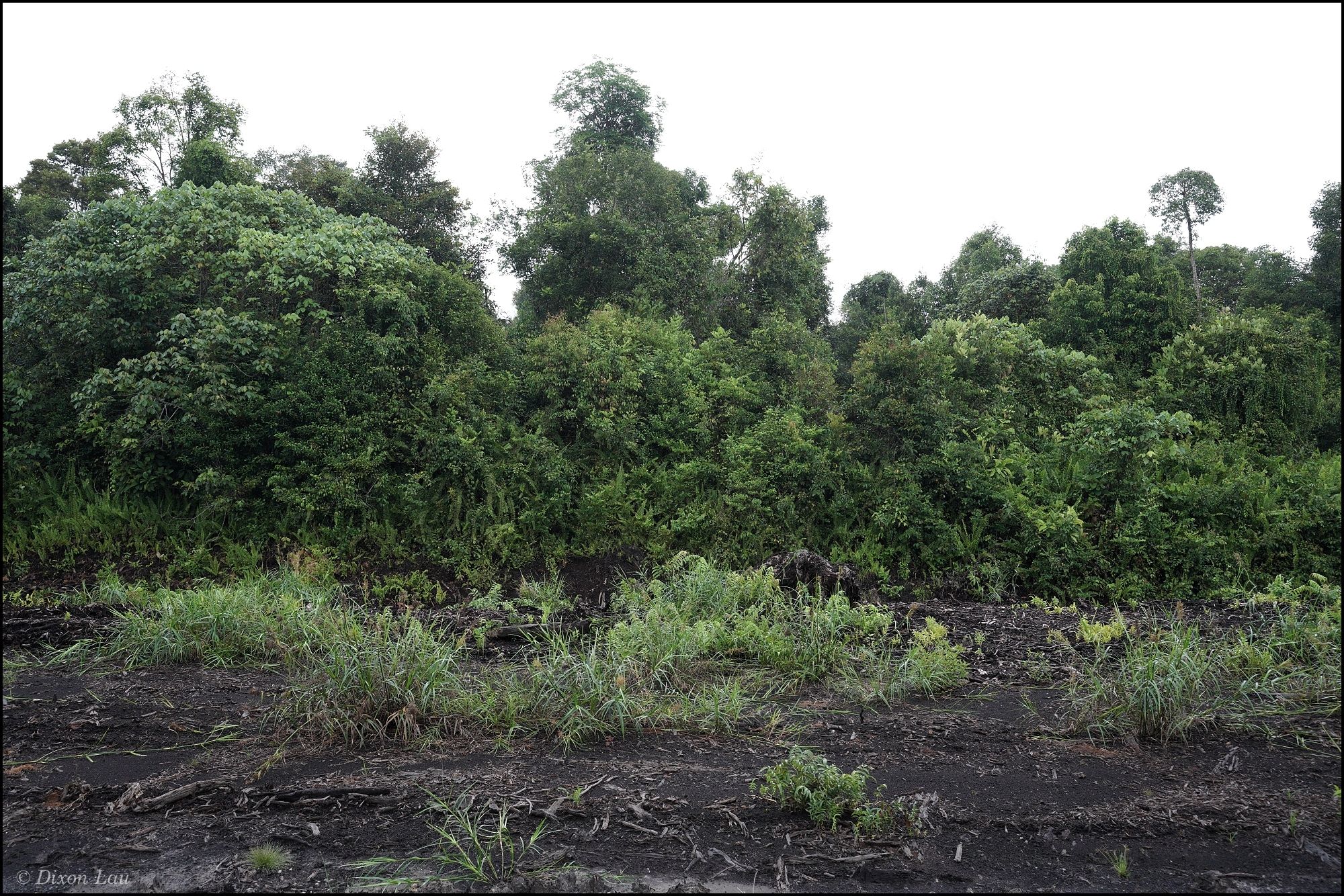
Figure 1A. Peat swamp forest at the study site.
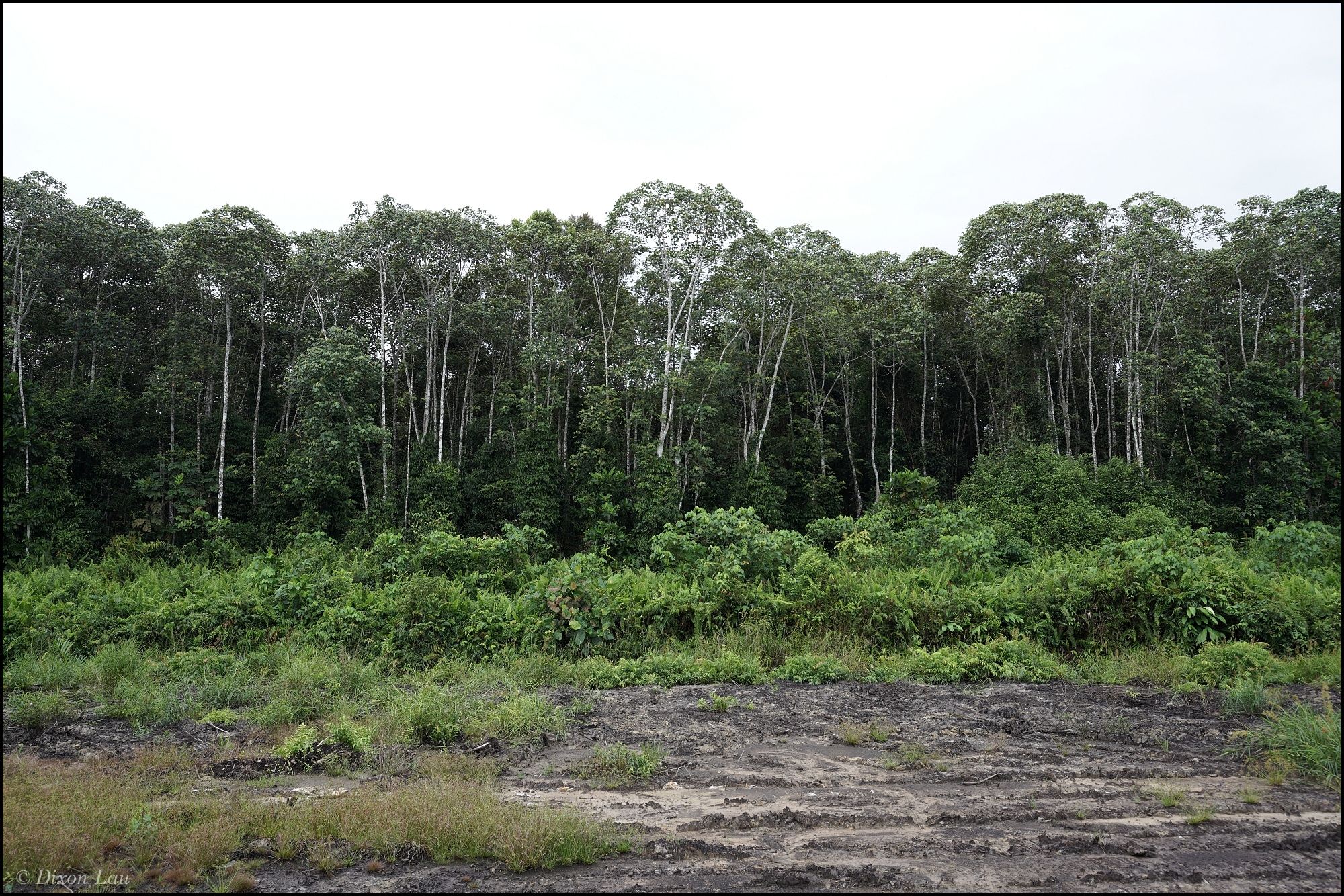
Figure 1B. Transitional swamp forest at the study site.
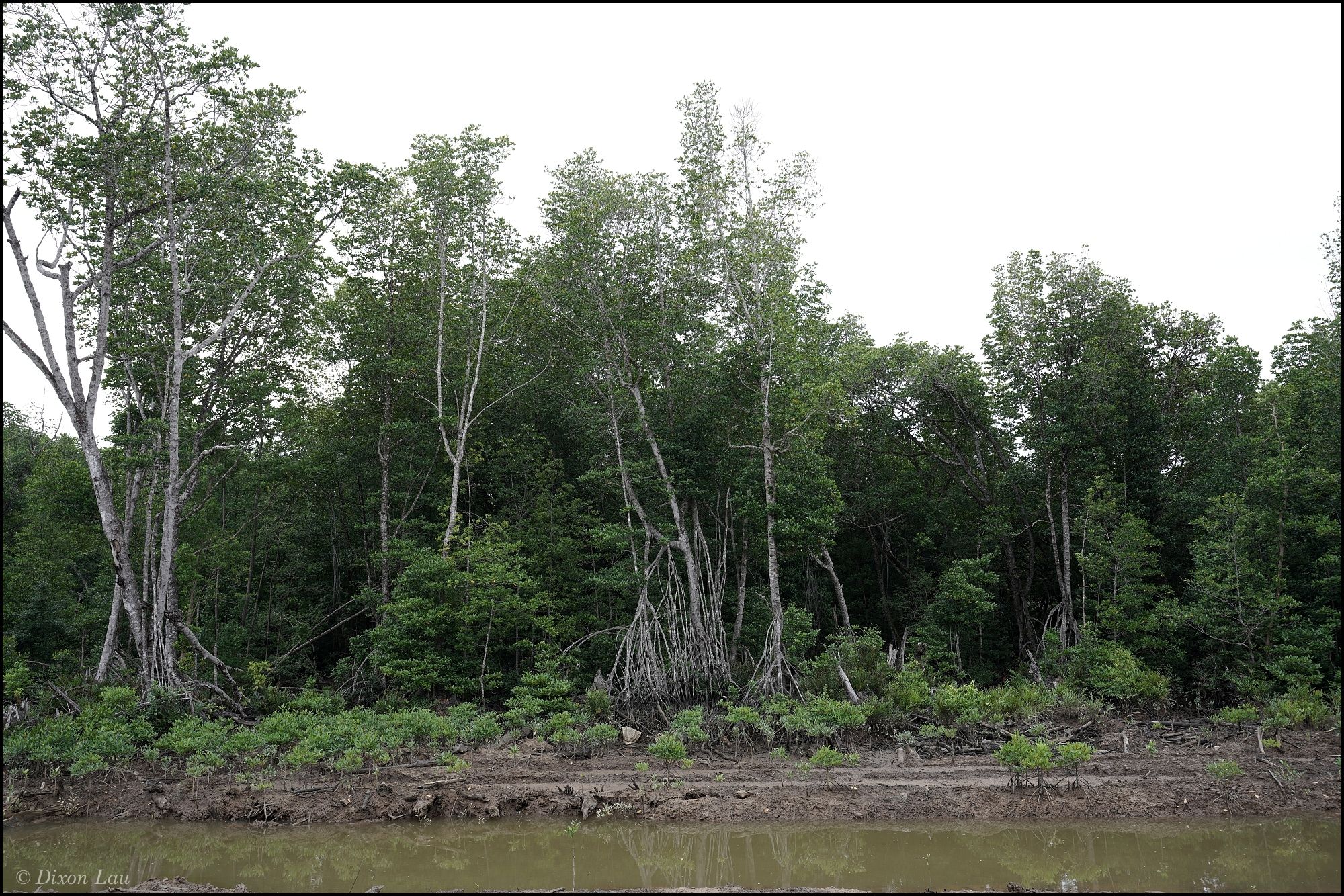
Figure 1C. Tidal mangrove forest.
Observations
In March, a group of three Bornean Bristleheads was recorded at the edge of peat swamp forest adjacent to the transitional zone. The individuals were initially detected by vocalisations, which were repeated throughout the observation period. Observations were made from a stationary position without playback, under calm weather conditions, allowing uninterrupted documentation of natural behaviour.
At least one individual was clearly observed. Notable behaviours included bill-rubbing against a tree branch and brief preening while perched. The birds were observed for approximately 20 minutes, during which they perched, moved between nearby trees, and remained within the general area before eventually moving out of sight (Figure 2).
Additional unpublished observations by the author include records from lowland foothill forest and a separate mangrove forest site, suggesting that the species may exhibit some flexibility in habitat use, though the frequency and ecological significance of such use remain unclear.
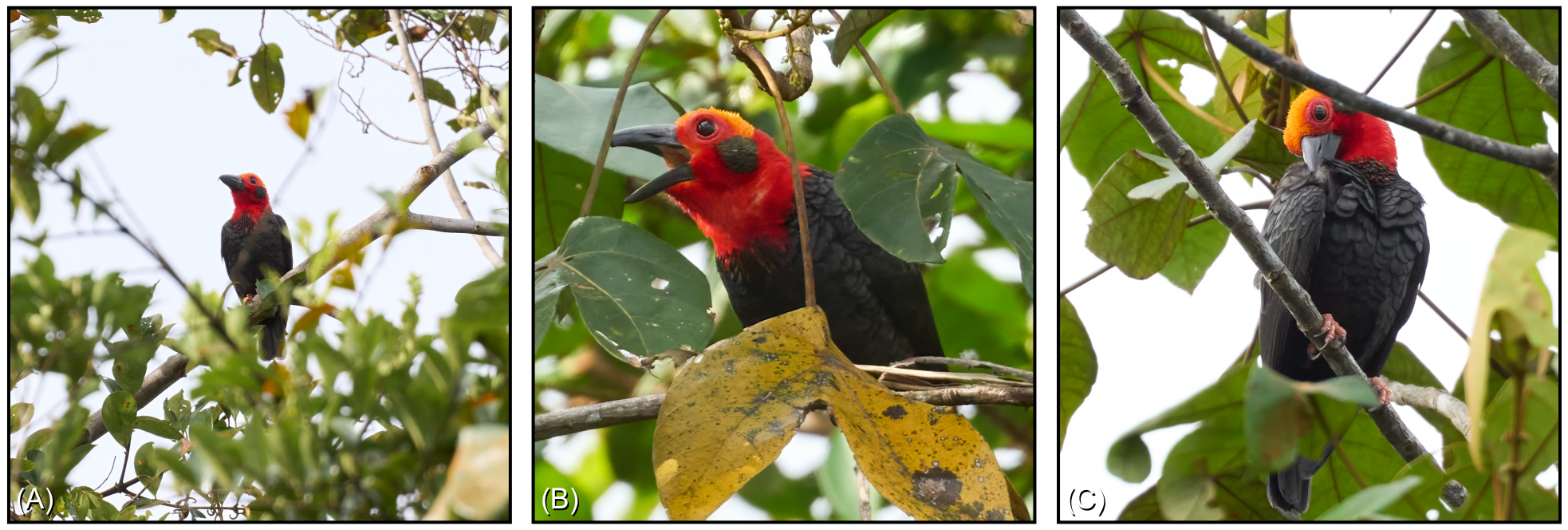
Figure 2. Bornean Bristlehead at the study site: (A) single individual perched in mid-storey; (B) individual vocalising; (C) individual engaged in brief preening.
Discussion
This observation represents a confirmed occurrence of Bornean Bristlehead within a peat swamp-mangrove ecotone, a habitat context that is seldom documented for the species. While the birds were recorded at the edge of peat swamp forest, their proximity to the transitional zone suggests potential use of structurally complex habitats at the interface of inland and coastal systems.
The record complements previous unpublished observations from peat swamp, lowland foothill, and separate mangrove forest habitats, and may indicate some degree of ecological flexibility. Further systematic observations are needed to determine whether such habitat use is occasional or under-recognised.
Acknowledgements
I thank local field companions and stakeholders for access and support during the observations.
References
- Phillipps, Q. & Phillipps, K. (2014). Phillipps’ Field Guide to the Birds of Borneo. John Beaufoy Publishing.
- Smythies, B. E. (1999). The Birds of Borneo. Natural History Publications (Borneo).
Citation
Lau, D. (2026). Bornean Bristlehead ecotone habitat record in central Sarawak, Malaysian Borneo. https://personalfieldnotes.com/bristlehead-ecotone-habitat-sarawak/